Overview
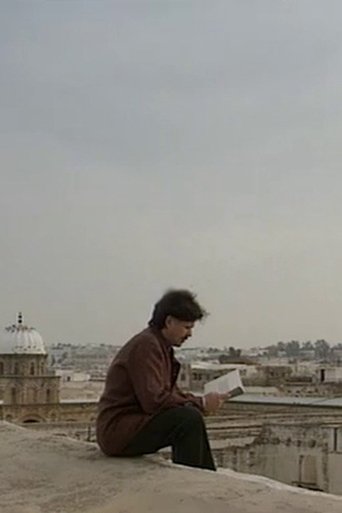
Tunisia itself is the subject; we wanted to render the genius of the site. Tunisia is almost the central character of this little film: we see the relation of the city to the sea, the traces that bear witness to its foundation, the remains of Carthage, the symbolism of the recently discovered Medina...
Introduction
In this latest movie review, we dive deep into Mirror of Tunisia/Tunisia, the Trance and the Stone (1993), exploring its intricate plot and standout performances that have everyone talking.
Tunisia itself is the subject; we wanted to render the genius of the site. Tunisia is almost the central character of this little film: we see the relation of the city to the sea, the traces that bear witness to its foundation, the remains of Carthage, the symbolism of the recently discovered Medina coin … The splendours of the house interiors and courtyards are associated with a scene of origin, what psychoanalysis calls a primal scene. Entering these houses opens up a world peopled by women: the child’s ‘homecoming’ in the hands of women is staged as an abduction, playing doubly on fascination and terror. These places were mine, from my childhood, they can be found almost intact – it’s the return of the exile visiting the kingdom. I let Ruiz discover all this, and immediately that led him to echoes and resonances ranging from Spain to Chile.
🛑 Story ExplainedSpoiler Warning
Our story explained section breaks down the complex narrative of Mirror of Tunisia/Tunisia, the Trance and the Stone. The full story follows a progression that challenges typical tropes, leading to a climax that requires careful analysis.
🏆 Final Verdict
5 / 5 Stars
A triumphant piece of cinema that blends gripping narrative with breathtaking visuals.
Related Movies
Namibia: The Story of a German Colony

We Who Remain

Freedom for the Wolf

Serengeti Shall Not Die

Tunisie : Une oasis dans un grain de sable

Africa Rising

Hidden Colors 5: The Art of Black Warfare

Surviving the Tunisia Beach Attack
The Pythons: Somewhere in Tunisia, Circa A.D. 1979

Gazan Tales

The Writer from a Country Without Bookstores

The Imperial Lullaby

Guilty of Loving: The Ordeal of Gays in Tunisia
Latest Reviews & Explanations
In-depth reviews, endings explained & more