Overview
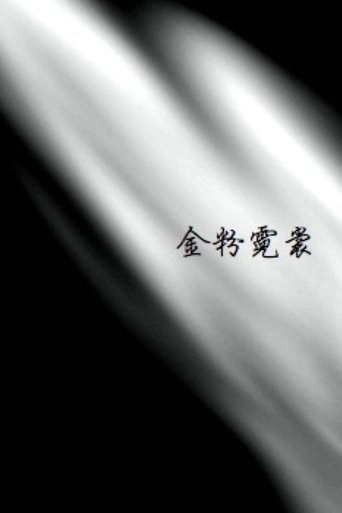
This is the first 16mm Cantonese film in full colour, shot on 1940s state-of-the-art Technicolor film stock. Opera star Man-ha (Leung Bik-yuk) enjoys tremendous popularity during her performances in San Francisco, but drowns herself in the vices and temptations of the big city. Increasingly, she fai...
Cast

Hok Sing Wong
Leung Man
Leung Bik-yuk
Man-ha
Luk Won Fee
Tang Pui
Sek Tsang
Liu Kei-wai
Introduction
In this latest movie review, we dive deep into White Powder and Neon Lights (1947), exploring its intricate plot and standout performances that have everyone talking.
This is the first 16mm Cantonese film in full colour, shot on 1940s state-of-the-art Technicolor film stock. Opera star Man-ha (Leung Bik-yuk) enjoys tremendous popularity during her performances in San Francisco, but drowns herself in the vices and temptations of the big city. Increasingly, she fails to show up for performances, almost causing the theatre to go bankrupt. When she sees her lover for the scoundrel that he is, she also sees the errors of her own ways and saves the theatre, restoring it to glory. Joseph Sunn Jue established the Grandview Film Company in Hong Kong during the 1930s and continued making films in the USA during wartime by collaborating with Chinese opera performers in exile there. Wong Hok-sing, an opera actor himself, directed, wrote and starred in this film. He staged a spectacular play-within-a-play at the end, not only to promote the art of Cantonese opera but also to boost solidarity among overseas Chinese through difficult times.
🛑 Story ExplainedSpoiler Warning
Our story explained section breaks down the complex narrative of White Powder and Neon Lights. The full story follows a progression that challenges typical tropes, leading to a climax that requires careful analysis.
🏆 Final Verdict
5 / 5 Stars
A triumphant piece of cinema that blends gripping narrative with breathtaking visuals.
Related Movies



Latest Reviews & Explanations
In-depth reviews, endings explained & more